Civil Engineering

Ground and subsurface investigations to identify geological and geotechnical constraints, reduce uncertainty and support safer, better-informed engineering decisions.

Ground & subsurface characterisation

From subsurface investigation to engineering decisions

PROGREM supports civil engineering projects through targeted ground and subsurface investigations. Field observations and geoscientific measurements are integrated to identify heterogeneities, geological constraints, weak zones and other subsurface conditions that may influence project design, construction and risk management.

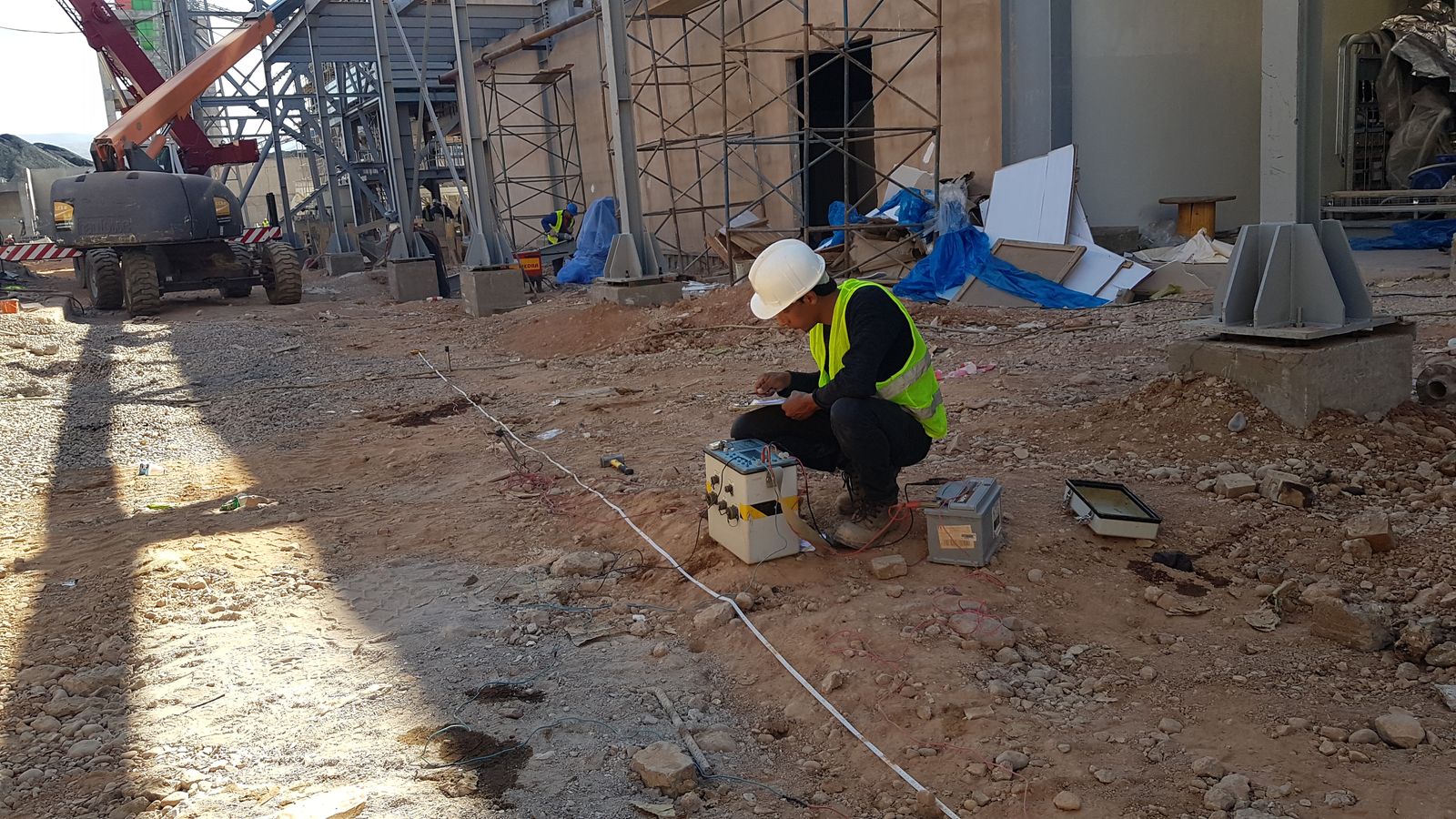
PROGREM technician carrying out soil measurements on a construction site

Soil Aggressivity Assessment

Assessment of soil conditions and relevant physical or chemical parameters to identify potential interactions with buried structures, foundations and construction materials.

Objectives
  • Characterise relevant ground conditions at the project site
  • Identify potentially aggressive soil conditions
  • Provide site data to support material selection, durability assessment and engineering decisions
Deliverables
  • Field measurements and observations
  • Interpreted results
  • Location-based assessment
  • Technical summary and recommendations
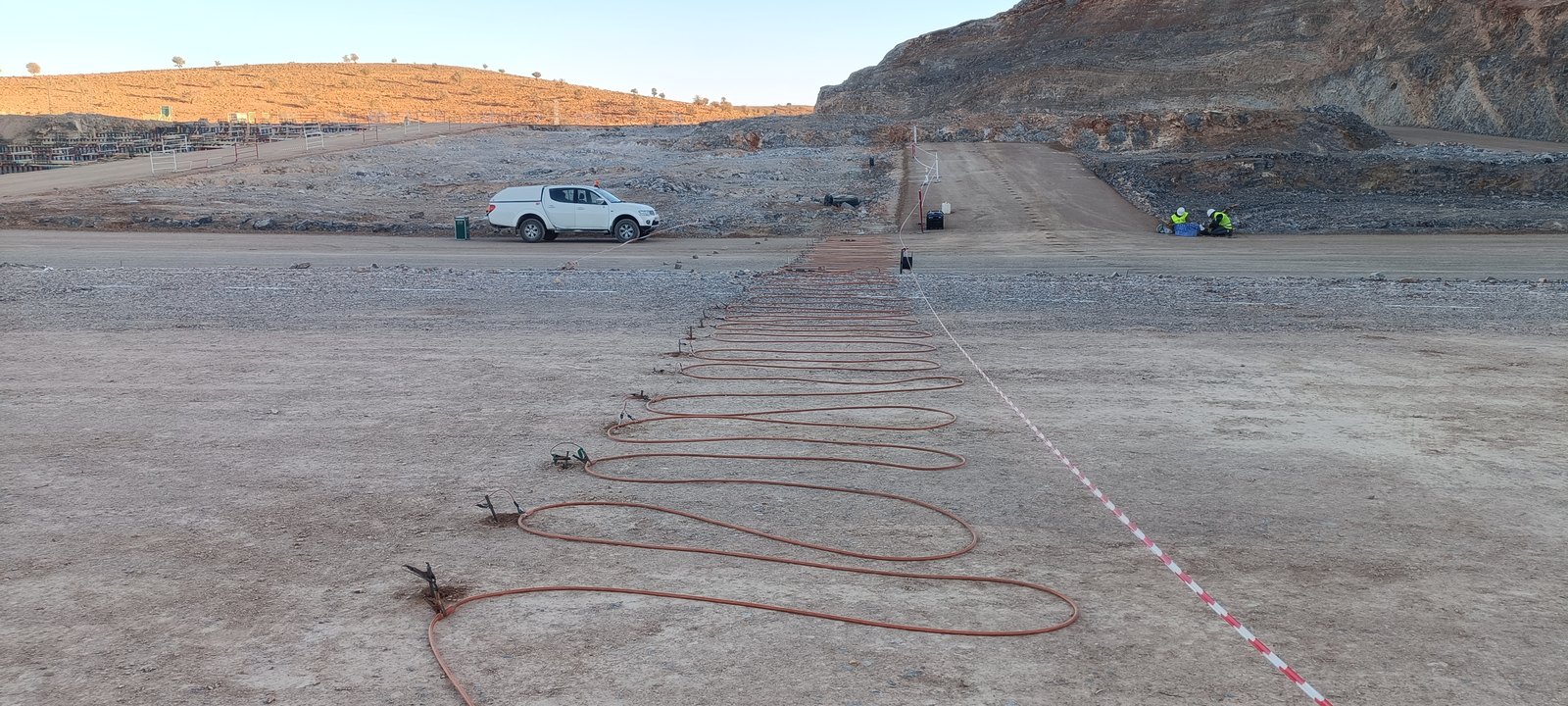
Measurement array deployed for a subsurface investigation
Subsurface investigation for cavity and weak-zone detection

Cavity, Void & Weak‑Zone Detection

Targeted subsurface investigations to identify anomalous zones that may correspond to cavities, voids, fractured ground, loosened materials or other heterogeneities relevant to construction risk.

Typical objectives
  • Locate subsurface anomalies and lateral discontinuities
  • Identify zones requiring additional investigation
  • Support safer siting and planning of structures and infrastructure
Methods
  • Selected according to site conditions, target depth and expected contrast
  • Electrical resistivity and other appropriate near-surface geophysical techniques

Subsurface Layer & Bedrock Investigation

Characterisation of the arrangement, thickness and depth of subsurface layers and of the depth to bedrock, to improve ground understanding and support project planning.

Typical objectives
  • Layer geometry and thickness
  • Depth to bedrock or resistive substratum
  • Lateral variations and transitions
  • Targets for complementary investigations
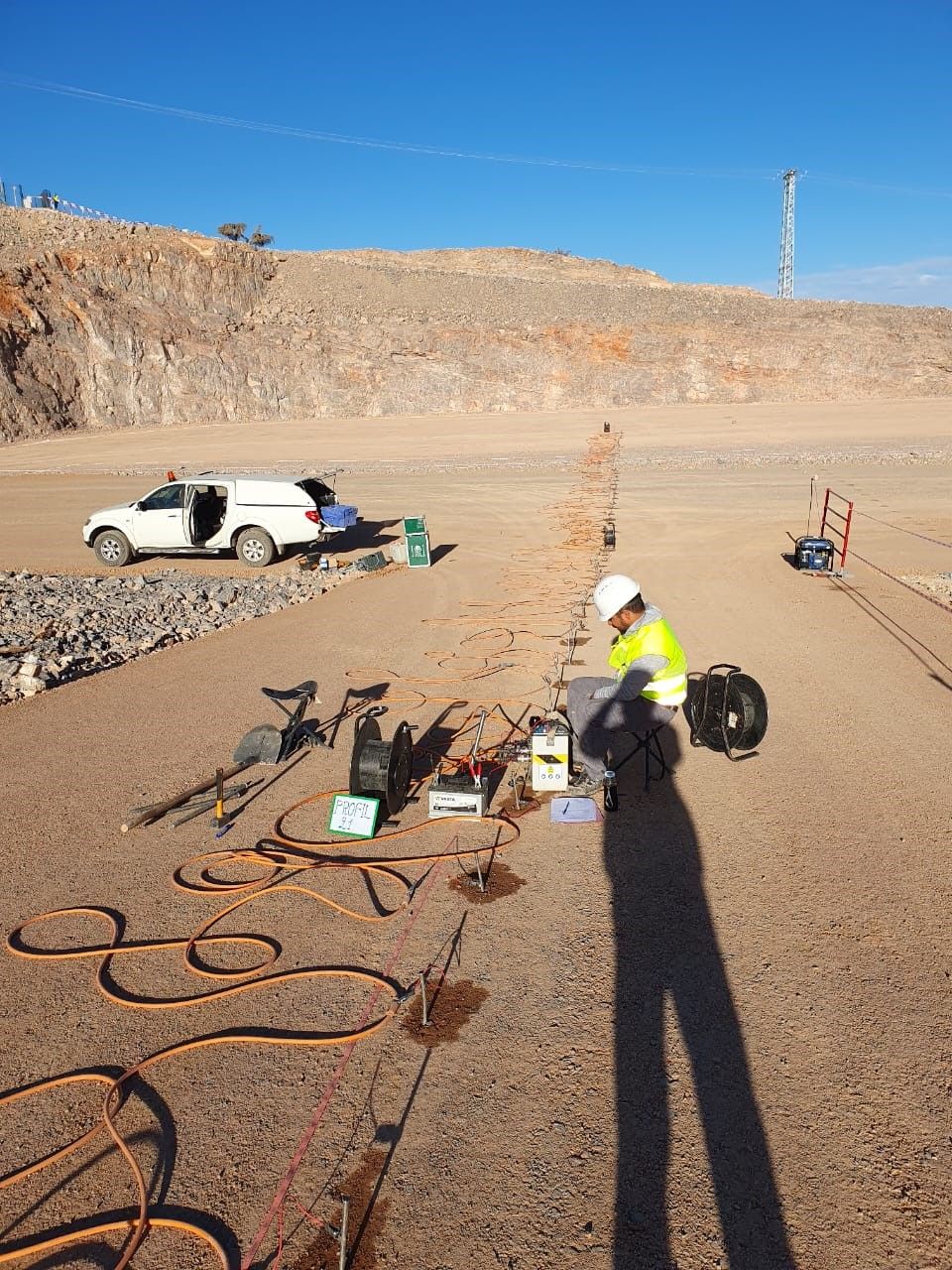
Survey line deployed on a quarry floor

Quarry Investigation & 3D Modelling

Integration of surface and subsurface information to characterise quarry geometry, geological boundaries and material distribution, supporting quarry planning and volumetric assessment.

Typical workflow
  • Survey planning and field acquisition
  • Subsurface layer characterisation
  • Integration with geological and topographic data
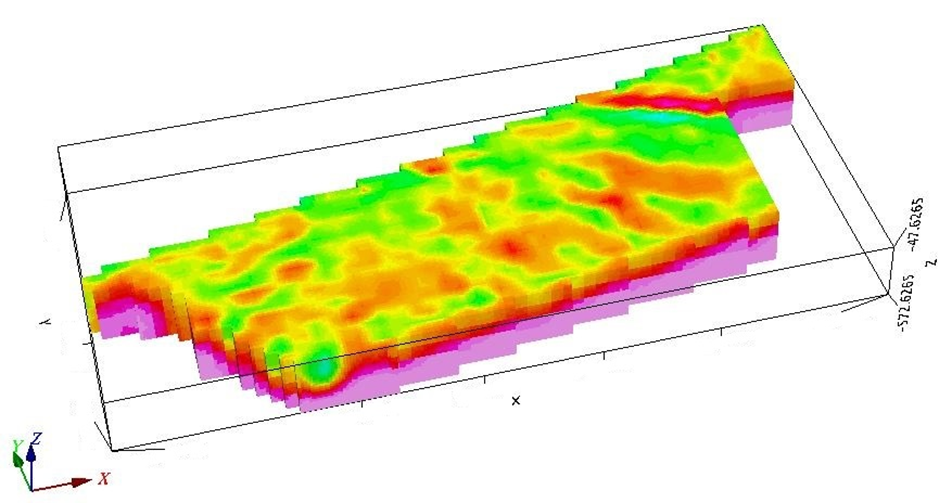
  • 2D/3D interpretation and geological modelling
  • Volume assessment and technical reporting
3D interpreted subsurface model

Integrated Interpretation & Engineering Deliverables

PROGREM integrates field observations, geophysical measurements and available geological or geotechnical information to produce a coherent interpretation of ground conditions and clearly communicate areas of uncertainty or concern.

Typical deliverables
  • Georeferenced field data and QA/QC records
  • Profiles, sections and interpreted subsurface maps
  • Identification of anomalies and sensitive zones
  • 2D/3D subsurface interpretation where appropriate
  • Technical report with conclusions and recommendations

Civil engineering in the field

Field investigations adapted to project objectives, site accessibility and ground conditions, with systematic quality control throughout data acquisition.

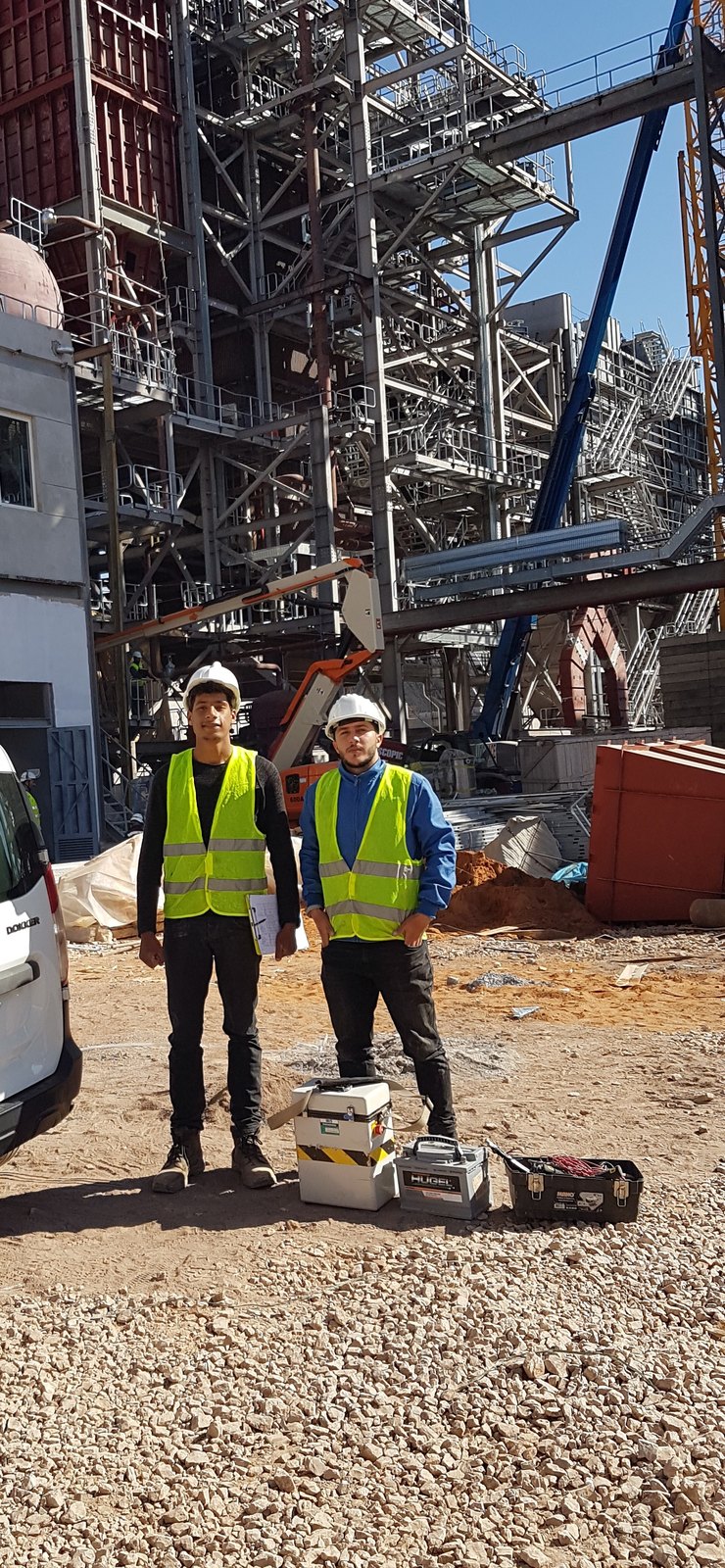
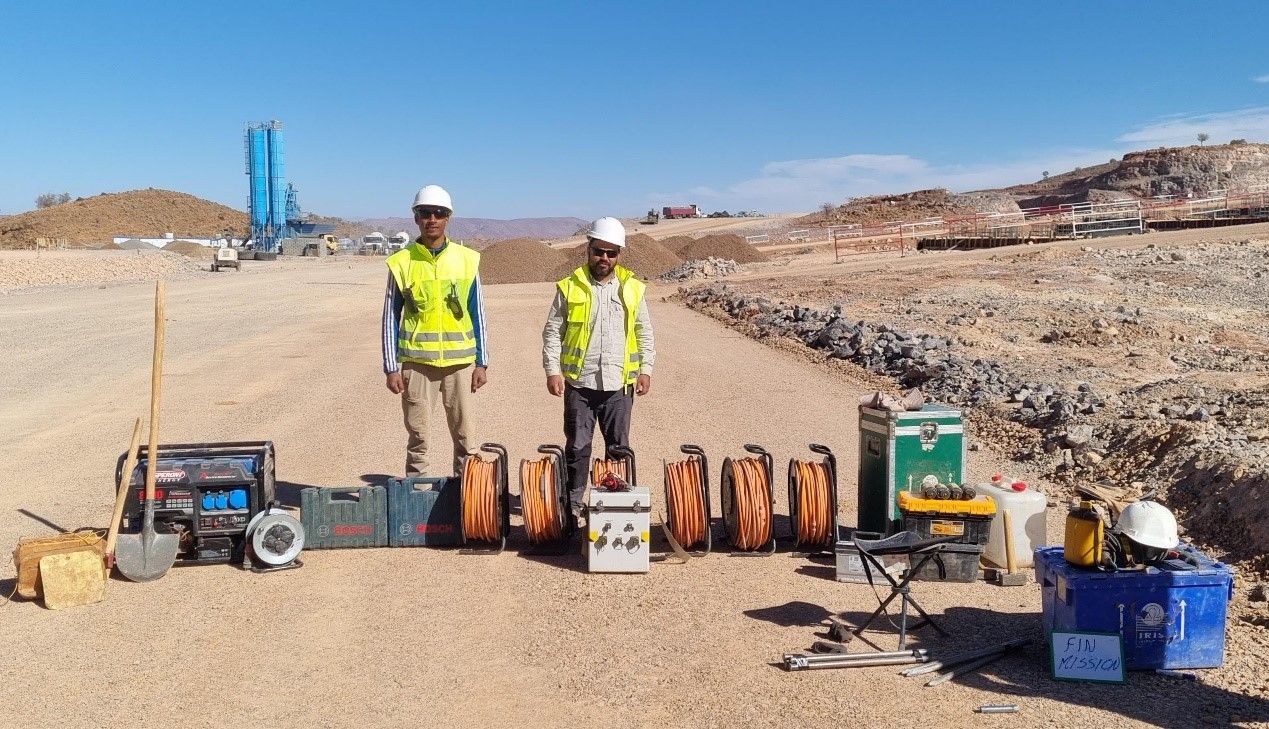
PROGREM team on an industrial construction site
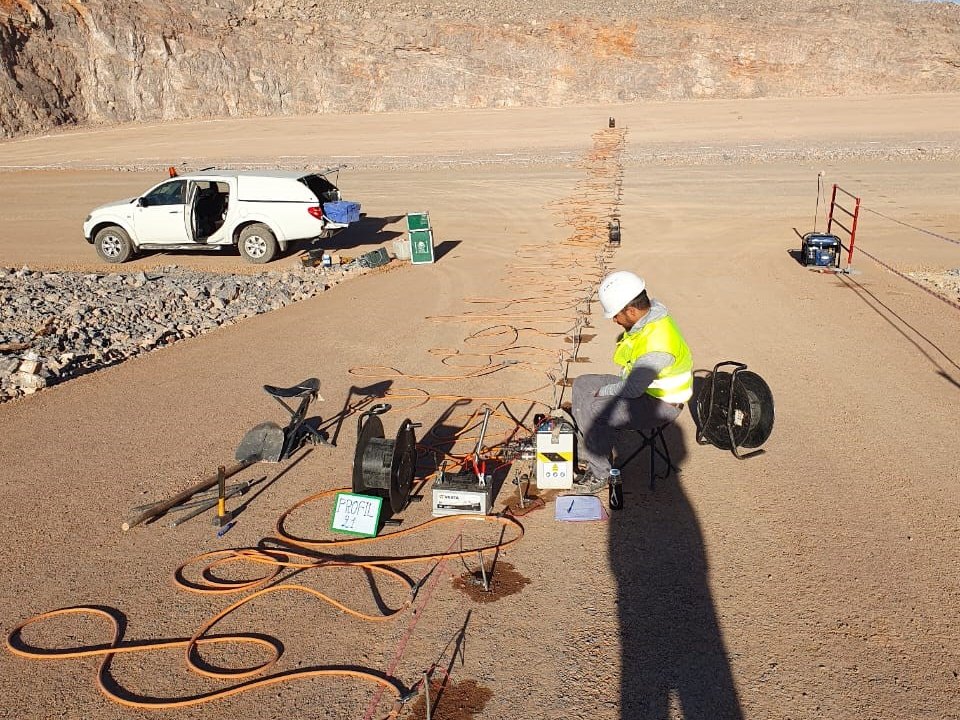
Survey cables deployed for a subsurface investigation
PROGREM team with resistivity equipment on a quarry site

Planning a civil engineering site investigation?

Tell us about your site, proposed structure and investigation objectives. Our team will define an appropriate ground and subsurface investigation programme, from survey planning and field acquisition through QA/QC, interpretation and technical reporting.